
 Genel
Genel  An Analysis of THC and CBD için yorumlar kapalı
 An Analysis of THC and CBD
CBD may not act as a sedative (but it appears to improve sleep quality over time), particularly when anxiety or chronic stress interferes with rest. THC can help people fall asleep faster, especially in the short term; however, it may reduce REM sleep and cause grogginess for some individuals. On the other hand, CBD might be a better fit for ongoing inflammatory pain or for folks who want relief without feeling high. When it comes to managing moderate or hard-to-treat pain (especially nerve-related pain), THC often does the job more effectively than other options. It often comes down to what kind of relief you’re looking for (like help with sleep), pain, or staying focused, and how your body responds.
There is significant interest in the potential therapeutic use of cannabinoids for treating autoimmune conditions like rheumatoid arthritis and inflammatory bowel disease, owing to the ECS’s role in regulating inflammation. The lack of sufficient data prevents any recommendations regarding the therapeutic application of cannabinoids for mental health disorders within a regulated context. THC and/or CBD were given in conjunction with other pharmacological treatments and/or psychotherapy in these investigations. A meta-analysis indicates that CBD demonstrates moderate efficacy both as a standalone treatment and as an adjunct therapy alongside clobazam for managing refractory epilepsy in patients diagnosed with Dravet syndrome (Lennox-Gastaut syndrome), and tuberous sclerosis complex.
The FDA is concerned that people may mistakenly believe that using CBD “can’t hurt.” The agency wants to be clear that we have seen only limited data about CBD’s safety and these data point to real risks that need to be considered. When you’re using the combination of CBD and THC to reduce anxiety, you need a ratio that’s low on THC but high on CBD. This is called the entourage effect — which is when the combination of cannabinoids produces a more therapeutic impact than when used alone. It is non-intoxicating, making it a good option for those who want therapeutic benefits without the risk of cognitive impairment.
We’ll explore how CBD and THC can help manage anxiety symptoms. Choosing between the two (or using them in combination), depends on individual health needs and the desired therapeutic outcome. A common strategy is to use a small amount of THC alongside CBD — as CBD can counteract the psychoactive effects of THC while enhancing its therapeutic benefits. While both cannabinoids offer therapeutic benefits, their effects on the body are quite different. Many conditions involve a mix of neurological, muscular, and inflammatory factors, making the choice between THC, CBD, or a combination an important consideration.

The Truth Behind “Cortisol Face” and Cortisol Detox: Exploring the Viral Stress Phenomenon
For example, while THC (1 mg/kg) increases food consumption and locomotion and has anxiolytic effects, higher dose THC (5 mg/kg) reduces locomotion and produces anxiogenic and aversive effects24,111,113. Accordingly, both simulated and real driving studies that performed a double-blind, placebo-controlled testing of THC administration , 20 mg in a cigarette, show significant reduction in driving stability as measured by inappropriate line crossings91,92. Obvious limitations of injections, smoke exposure and oral gavage are the absence of self-administration and the mild stress response by rodents from administration procedures. As a preclinical model system for PK studies (rodents provide important information but also have key limitations), including a very active liver metabolism compared to humans.
Your colleagues at work are psychoactive because they make you feel either good or bad around them. CBD can improve your response to how smoking affects the human body daily stressors, making it easier to manage situations that would otherwise drive you nuts. But (as we mentioned earlier in the article), high doses of THC can worsen these feelings in sensitive users. Low and moderate doses of THC are well-tolerated by humans and can effectively reduce stress and anxiety. You can use the above bullet points as a quick reference point, but the differences between CBD vs. THC are more complex than that.
It’s commonly used for physical comfort (appetite support), and relaxation, but at higher doses, it can sometimes cause anxiety or mental fog in sensitive individuals. Rapid-onset high doses trigger schizophrenia-like symptoms in some individuals136. For many conditions (both options could be helpful), giving patients some freedom to pick an option that feels best to them. By stimulating it, THC produces a feeling of tranquility and relaxation.
This article is based on scientific studies, written by Winston Peki and fact-checked by experts. Based on at least two studies, best would be to combine both CBD and THC to maximize the pain-reducing properties of both compounds , 15, 16,. Based on these studies — the best option for sleep would be a high-CBD, low-THC product. Plus, THC produces unwanted side effects. Various studies found that CBD has anxiety-reducing effects at doses between 300 and 600 mg.
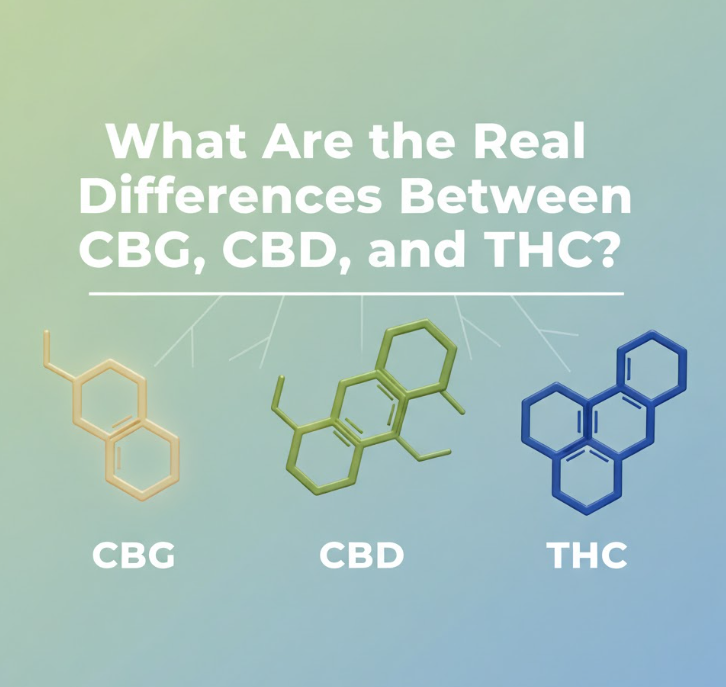
Overall (CBD and THC have a lot of similarities when it comes to the conditions they treat), but they can have big differences in how they work and how they subjectively feel. There are cases where an isolated cannabinoid is the right treatment, but most often patients report maximum benefit from some combination of the two. As an FDA-approved medication for epilepsy, there is now a substantial body of evidence supporting the claim that CBD can significantly reduce seizures in epileptic patients. While more research is needed, some human studies on CBD have shown improvements in patients with these conditions. CBD (on the other hand), doesn’t seem to alter sleep in healthy individuals.
They both have a long list of potential health benefits that may help with a wide variety of conditions and symptoms. There’s also some concern that heavy, long-term THC use may increase the risk of psychiatric disorders such as schizophrenia but the evidence is inconclusive. Even studies using daily doses as high as 1500 mg (which is much higher than those used by most people), found that CBD is tolerated well. However, these side effects are mostly minor and were only found in studies using large oral doses of pure CBD.
This could include changes in alertness, most commonly experienced as somnolence , sleepiness,, but this could also include insomnia; gastrointestinal distress, most commonly experienced as diarrhea and/or decreased appetite but could also include abdominal pain or upset stomach; and changes in mood, most commonly experienced as irritability and agitation. As part of the drug review and approval process for the prescription drug containing CBD, it was determined that the risks are outweighed by the benefits of the approved drug for the particular population for which it was intended. The agency is working on answering these questions through ongoing efforts including feedback from a recent FDA hearing and information and data gathering through a public docket. A 2020 review analyzed several studies on the therapeutic uses of CBG.
Cannabis use is likely to increase the risk of short-term psychosis and long-term mental health conditions, such as schizophrenia. While medicinal cannabis may aid in the treatment of several health conditions, it is not without its risks. The short-term use of oral cannabinoids may improve symptoms of spasticity among people with multiple sclerosis — but the positive effects are modest.
 (Henüz Oylanmadı)